
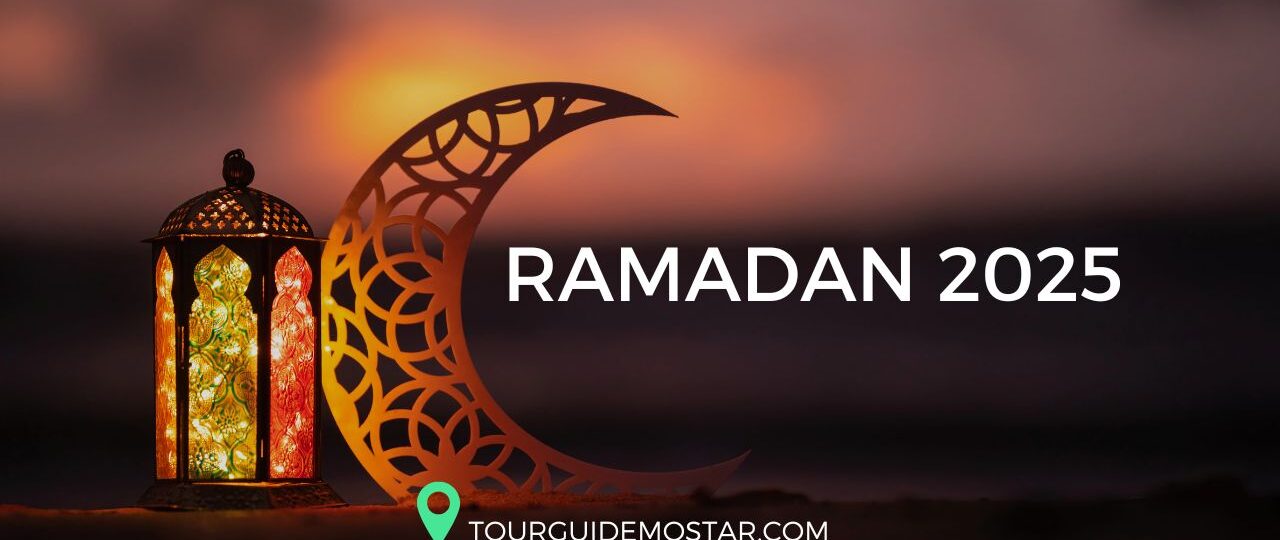
The Significance and History of Ramadan
Ramadan is the ninth month of the Islamic lunar calendar and is observed by Muslims worldwide as a period of fasting, prayer, and self-reflection. It is believed to be the month in which the Quran was first revealed to the Prophet Muhammad (peace be upon him) through the Angel Jibreel (Gabriel).
The practice of fasting during Ramadan is one of the Five Pillars of Islam, which are the fundamental acts of worship and devotion. The fast begins at Sehri (pre-dawn meal) and is broken at Iftar (sunset meal), with the daily schedule guided by the movement of the sun. The fast is not just about abstaining from food and drink but also about spiritual purification, increased acts of charity, and strengthening one’s connection to God (Allah).
Historically, Ramadan has been observed for over 1,400 years, and its traditions have been passed down through generations. The month fosters a sense of unity among Muslims worldwide, as they share the same spiritual journey regardless of their geographical location.
Ramadan 2025 in Mostar
This year, Ramadan in Mostar, Bosnia and Herzegovina, is expected to begin on the evening of Friday, February 28, 2025, and conclude on Sunday, March 30, 2025. Throughout the city, the holy month is marked by special prayers, community gatherings, and acts of charity.
Daily Observances
Each day, Muslims in Mostar begin their fast with Sehri before dawn and break it at Iftar when the sun sets.
Mosques in Mostar, such as Karadoz Bey Mosque, host special Taraweeh prayers each evening, where long portions of the Quran are recited, fostering a deep spiritual atmosphere.
Ramadan Traditions in Mostar
Mostar has a rich Islamic heritage, and Ramadan here is an experience that blends faith, culture, and community. The city’s Old Bazaar (Kujundžiluk) comes alive with people gathering to shop for traditional Bosnian dishes, sweets, and beverages for Iftar.
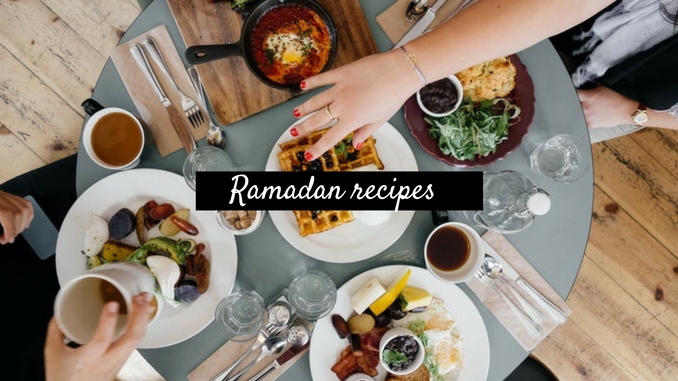
Traditional Iftar Meals
During Iftar, families break their fast with dates and water, following the tradition of the Prophet Muhammad. Bosnian cuisine offers a variety of special Ramadan dishes, including:
- Begova čorba (Bey’s soup) – a thick, slow-cooked chicken and vegetable soup.
- Sogan-dolma – onions stuffed with meat and rice.
- Pita (Burek, Sirnica, Krompiruša) – thin pastry filled with meat, cheese, or potatoes.
- Tufahija – poached apples stuffed with walnuts and sugar syrup.
Acts of Charity and Community Iftars
Ramadan is a time of giving and compassion, and many people in Mostar participate in Sadaqah (voluntary charity) and Zakat (obligatory charity). Local mosques and organizations arrange community Iftars, where free meals are provided to those in need, reinforcing the spirit of generosity.
The Cultural and Spiritual Atmosphere
Ramadan in Mostar offers a unique experience where history and spirituality intertwine. As the sun sets, the call to prayer (Adhan) echoes across the city from its historic mosques, and the streets fill with families and friends gathering for Iftar. The city’s historic Stari Most (Old Bridge), a symbol of resilience and unity, becomes a meeting place where people reflect and celebrate together.
Ramadan in Mostar is more than just a religious observance; it is a cultural and spiritual journey. The city’s deep-rooted traditions, warm community spirit, and rich Islamic heritage make it a special place to experience this sacred month. Whether you’re a resident or a visitor, witnessing Ramadan in Mostar provides an opportunity to connect with both faith and tradition in a meaningful way.

https://t.me/iGaming_live/4872
phwin25 https://www.phwin25g.net
peryaplus https://www.rsperyaplus.net
官方授权的iyftv海外华人首选,第一时间提供最新华语剧集、美剧、日剧等高清在线观看。
海外华人必备的ify平台智能AI观看体验优化,提供最新高清电影、电视剧,无广告观看体验。
Fortune Tiger big win 2000x: já aconteceu com você? Conta a história completa
**nativegut**
NativeGut is a precision-crafted nutritional blend designed to nurture your dog’s digestive tract.
The regulatory landscape encompassing hemp-derived CBD https://www.cornbreadhemp.com/products/full-spectrum-cbd-gummies shifted dramatically with the 2018 Farm Bill in the United States. Products containing less than 0.3 percent THC became governmentally legal, unlocking doors for consumers and businesses in equal measure. Nonetheless, state regulations yet vary, so verifying local laws remains vital. This evolving framework continues to define how people acquire and appreciate cannabidiol-based wellness products across the nation.