
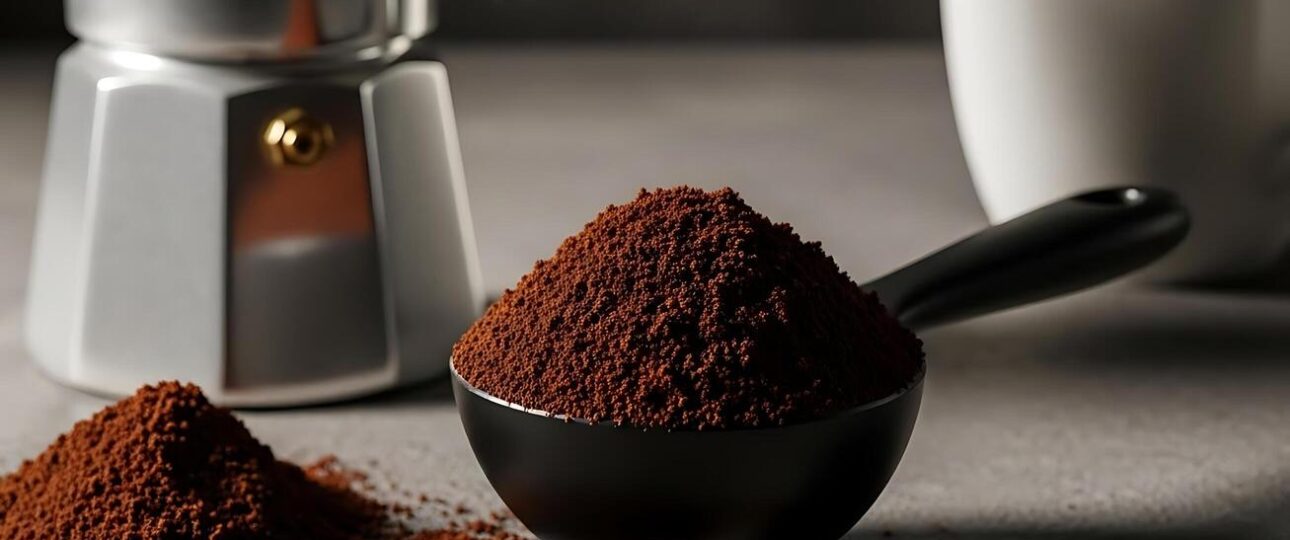
Bosnian coffee (bosanska kafa), also known as kahva, is a rich and strong brew that has been an integral part of Balkan culture for over five centuries. Since the Ottoman influence brought coffee to Bosnia in the 15th or 16th century, it has become more than just a beverage; it’s a social ritual deeply embedded in daily life .
Introduction to Bosnian Coffee
Bosnian coffee is renowned for its rich and dark character, a result of the brewing process which includes boiling finely ground coffee with water without filtration. This method results in a strong and unfiltered cup that holds a thick layer of grounds at the bottom .
The tradition of preparing Bosnian coffee dates back to when Ottoman influence introduced it to Bosnia, making this practice part of daily life for centuries . Today, while the brewing method is similar in other former Yugoslav countries like Croatia and Serbia, the cultural significance of Bosnian coffee stands out as a cornerstone of social interaction and hospitality .
Preparing Bosnian Coffee
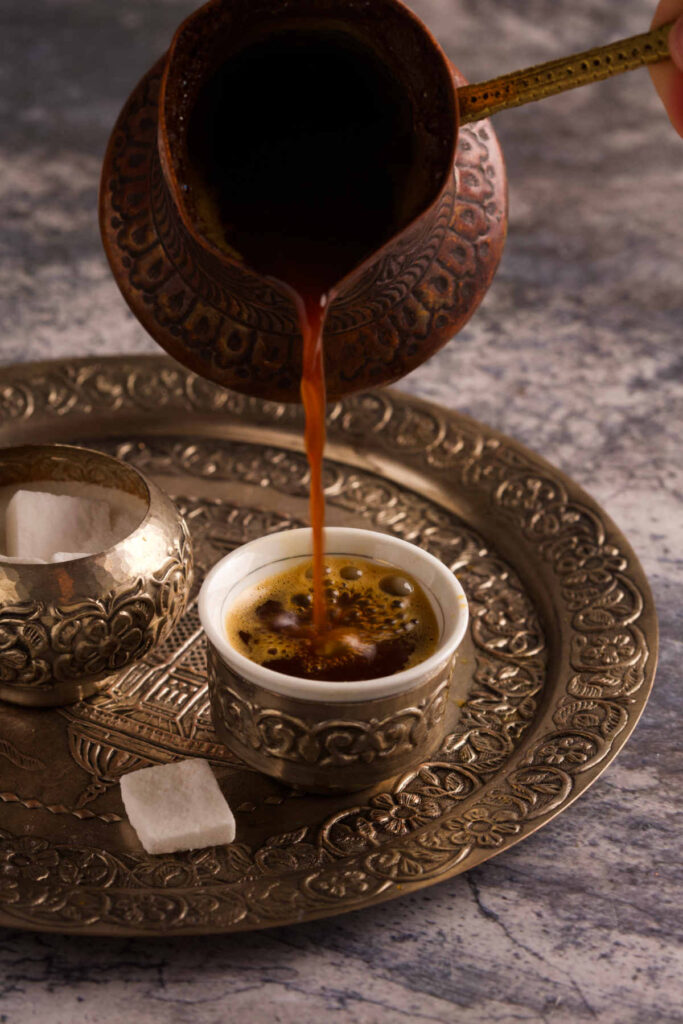
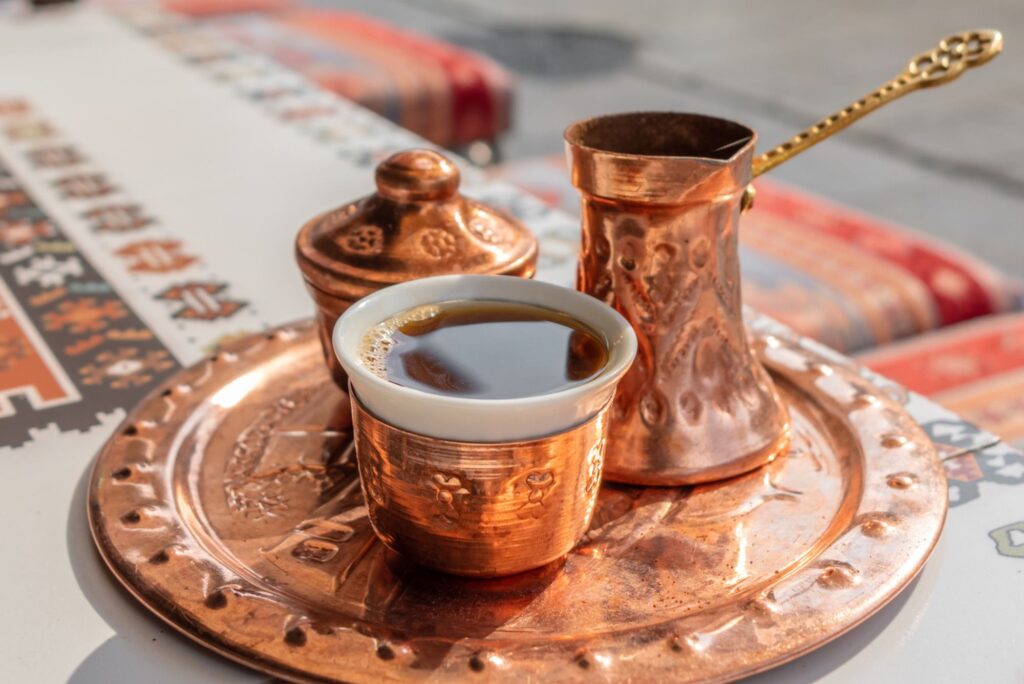
The proper way to brew Bosnian coffee involves using an ibrik or džezva—a small copper pot with a high neck and long handle. The method entails boiling ground coffee directly in the water without any filtering, capturing all the flavors of the coffee grounds .
Traditionally, when serving Bosnian coffee, it’s accompanied by a glass of water to cleanse the palate, sugar cubes for sweetening, and rahat lokum (Turkish delight) as an accompaniment. This ritual emphasizes the importance of hospitality and social bonding during consumption .
Enjoying Bosnian Coffee
The enjoyment of Bosnian coffee is not just about sipping, but rather a leisurely experience that can extend into hours of conversation. Traditionally, one cools the hot brew by srkati, a unique way of drawing air through the coffee to cool it down and enhance its flavor .
The bottom of the traditional ceramic cup (fildžan) bears a moon and star design that indicates the strength of your coffee; a tanka fildžan means light/weak, while jaka signifies strong. Understanding this symbol enhances your appreciation for the ritualistic nature of drinking Bosnian coffee .
Practical Tips for Visitors
If you are visiting Mostar, it is recommended to experience Bosnian coffee at a local café or teahouse. These establishments offer not only the traditional brew but also a chance to learn about the cultural significance of this ritual from locals who embody hospitality and warmth.
- Visit Sarajevo Čajdžinica Džirlo during quieter hours in the afternoon for a more intimate experience . The small, cozy setting provides a perfect backdrop for enjoying your coffee while engaging with the family who run it.
- Order a cup of salep alongside your traditional Bosnian coffee during winter visits to enjoy an extra layer of warmth and sweetness from this seasonal beverage .
Unique Variations for Winter
Winter brings an interesting twist to traditional Bosnian coffee with seasonal drinks like salep. This thick, sweet drink made from milk and orchid root is a popular choice during colder months, offering warmth and sweetness beyond the usual beverage options .
Sip on Bosnian Coffee at Sarajevo Čajdžinica Džirlo
For those seeking a taste of authentic Bosnian coffee, Sarajevo Čajdžinica Džirlo, located on Kovači street near the Sebilj fountain, offers an excellent experience. With its rich history and small intimate setting, this teahouse is known for its array of 53 teas alongside traditional Bosnian coffee preparations .
Practical Tips for Visitors
- Ask the locals what kind of coffee they prefer or recommend; their insights can enhance your understanding and appreciation of Bosnian coffee culture.
- Explore different variations such as salep, especially in winter, to experience a comforting blend of warmth and tradition.
In Conclusion
Tasting Bosnian coffee is not just about enjoying a rich beverage but partaking in a cultural heritage that spans over 500 years. It’s a ritual that connects you to the past while providing warmth and comfort, especially during cold winter days.
Winter Variations and Culinary Delights
In winter, Bosnian coffee can be complemented with seasonal treats like salep, a thick and sweet drink made from milk and orchid root that provides an extra layer of warmth and sweetness .
- Ask the café staff for recommendations on what to pair your Bosnian coffee with during colder months, such as seasonal desserts or beverages like sahlep.
Featured image: Source: vecteezy.com


