Introduction to Mostar’s Winter Wildlife
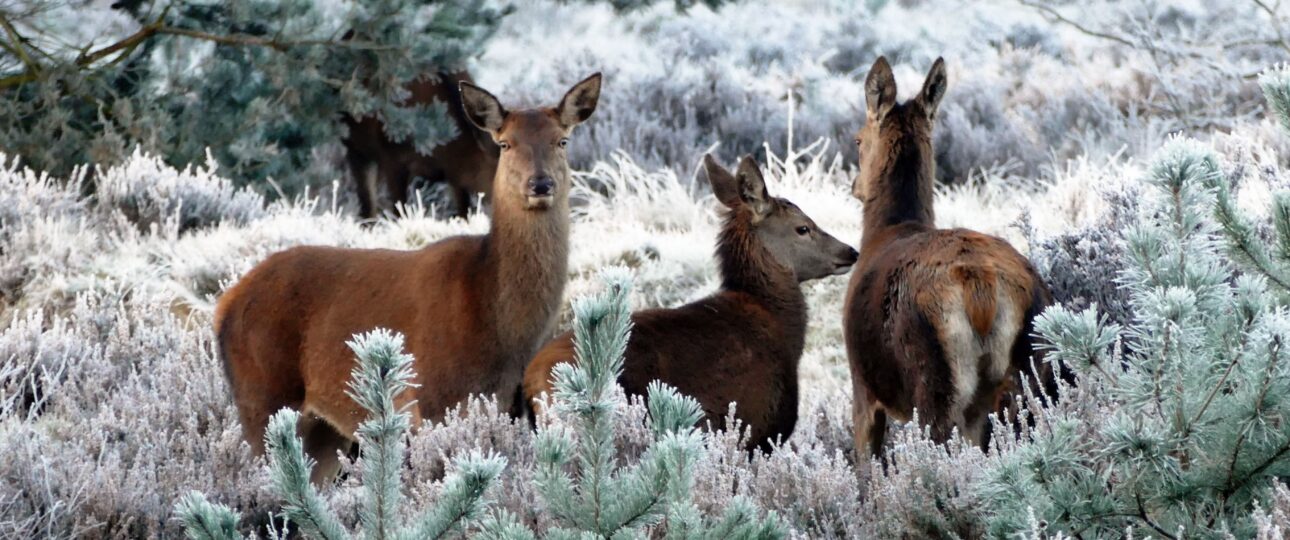
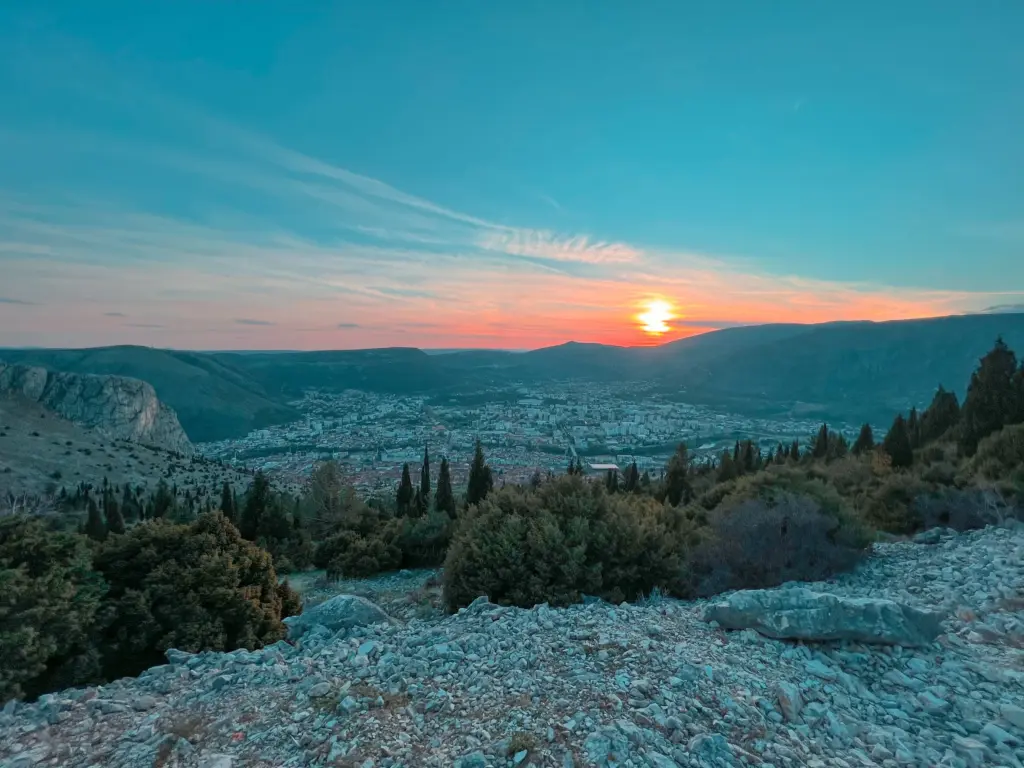
Winter in Mostar (Discover Mostar) presents a unique chance for wildlife observation, as the winter landscape offers serene and misty views ideal for spotting animals.
Spotting Wildlife in the Cold
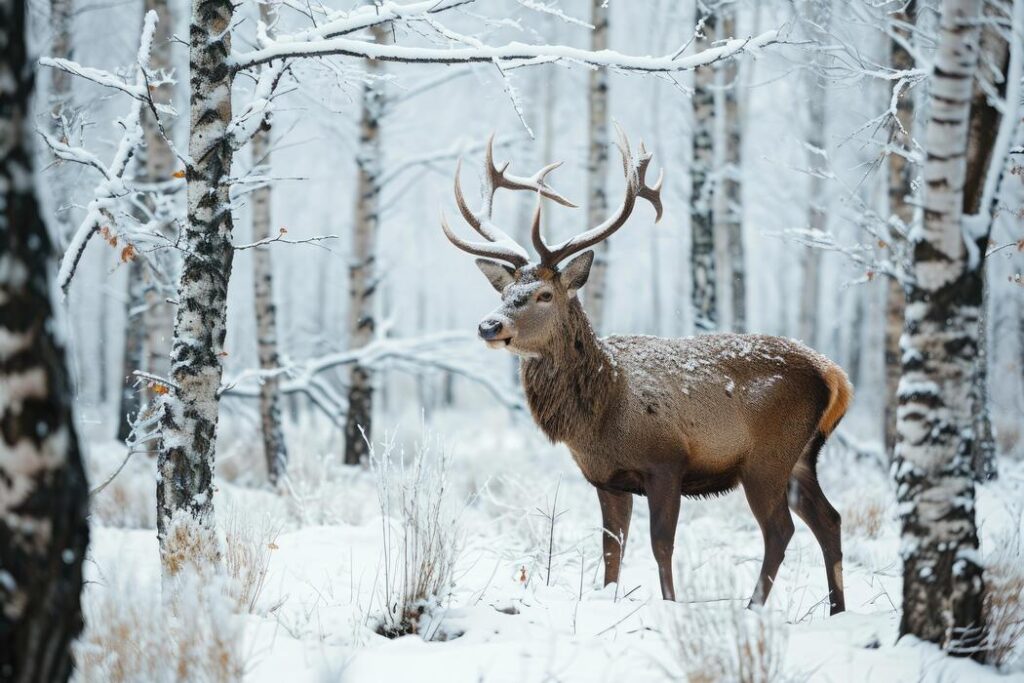
Animals can be observed during the winter months due to their natural behavior patterns. Visitors are encouraged to check with local parks for wildlife watching opportunities, as some creatures remain active even in colder weather.
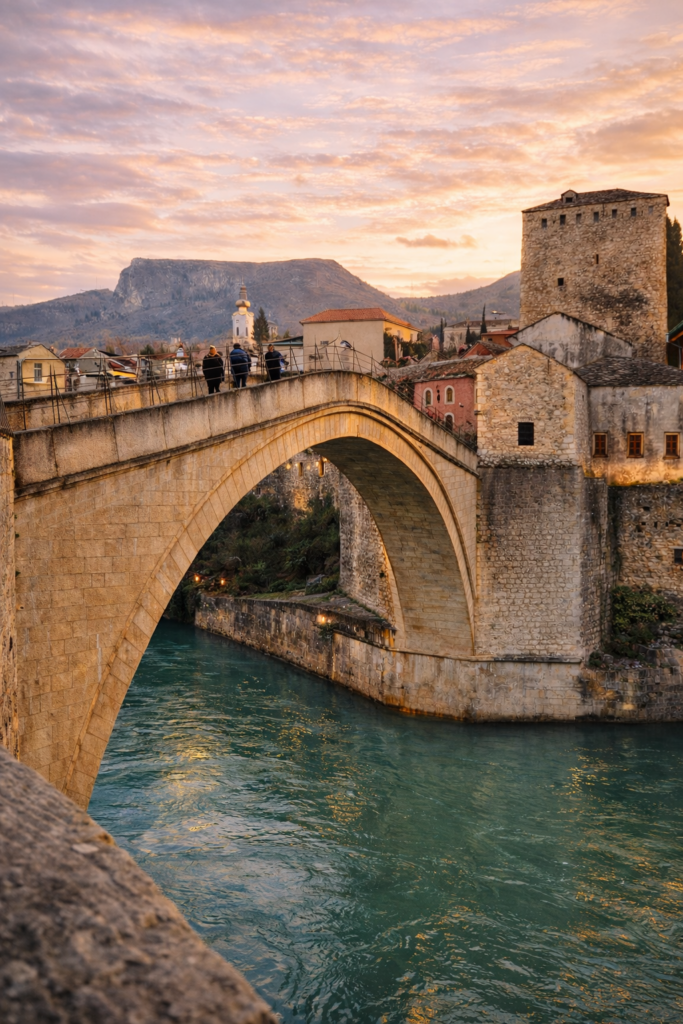
Winter Scenery and Wildlife
The winter season brings misty mornings where the Old Bridge (Stari most), built by the Ottomans in 1566, is shrouded in fog. The orange-tiled roofs and white limestone bridge create dramatic scenes that are unforgettable during these chilly mornings.
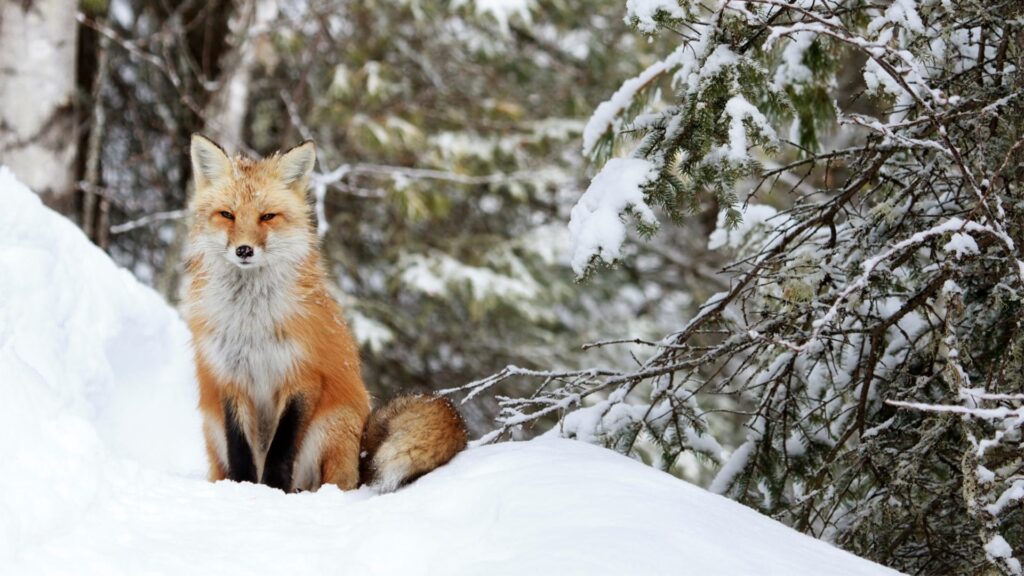
Winter Wildlife Observation Tips
Essential Gear for Winter Wildlife Watching
To make the most of your winter wildlife watching experience in Mostar, it’s crucial to prepare with appropriate gear. Start by dressing warmly and layering up, as temperatures can drop quite low during the night and early morning hours. Consider bringing waterproof outerwear, a sturdy pair of boots that provide good traction on slippery terrain, and gloves or mittens for your hands. For visibility, especially when observing birds from afar, invest in high-quality binoculars with waterproof coating to prevent fogging up due to condensation. A tripod can also be helpful if you plan to take photographs of wildlife without disturbing them.
Guided Tours and Local Knowledge
One of the best ways to enhance your winter wildlife experience in Mostar is by joining a guided tour led by local experts who have intimate knowledge of the area’s flora and fauna. These tours can be tailored to specific interests such as bird watching, mammal tracking, or botanical exploration. By booking ahead through reputable tour operators, you can ensure that you receive personalized attention while learning about unique species that are active during winter months.
Mostar’s Winter Bird Species
Birdwatching is particularly rewarding in Mostar during the winter season. The region hosts a variety of migratory birds that pass through on their way to warmer climates, making it an excellent time for spotting rare species before they leave. Some notable bird species include the common crane, which can be seen gliding over open fields and wetlands searching for food, as well as various types of ducks and geese flocking together along the Neretva River.
Observation Points in Mostar
To maximize your chances of spotting wildlife during winter, there are several key observation points around Mostar worth visiting. The Vjetrenica Cave, located near the city, offers opportunities to see bats and other cave-dwelling creatures. Another prime location is the Mitrovac Lake Nature Park where you can observe waterfowl congregating during their winter migration.
Respecting Wildlife During Winter Months
As visitors to Mostar’s natural habitats, it’s important to respect the wildlife and maintain a safe distance at all times. Avoid making loud noises or sudden movements that could startle animals into hiding. Additionally, refrain from feeding wild animals as this can disrupt their normal behavior patterns and diet preferences. Always adhere to park guidelines regarding designated trails and observation areas to prevent disturbing sensitive ecosystems.
Ethical Guidelines for Observation
Practicing ethical wildlife watching involves minimizing your impact on the environment while still enjoying its beauty. Use zoom lenses instead of approaching too closely, carry out all waste materials, and avoid littering or damaging plants. By adhering to these guidelines, you contribute positively towards conserving Mostar’s rich biodiversity for future generations.
Winter Wildlife Conservation Efforts
Much of the wildlife observed in Mostar benefits from ongoing conservation efforts aimed at protecting their habitats and ensuring long-term survival. Local organizations collaborate with national parks to monitor populations, enforce regulations against poaching or habitat destruction, and educate communities about sustainable practices that support local ecosystems. These initiatives play a crucial role in maintaining biodiversity levels within Herzegovina’s diverse landscapes during all seasons, including winter when natural resources may be scarce for many species.
Tips for Winter Wildlife Watching
Although winter may not be ideal due to the cold and wet weather, it is still possible to enjoy wildlife watching if you prepare accordingly. Most locals recommend visiting in October or April for a better mix of weather conditions and fewer crowds.
Featured image: Source: pxhere.com